
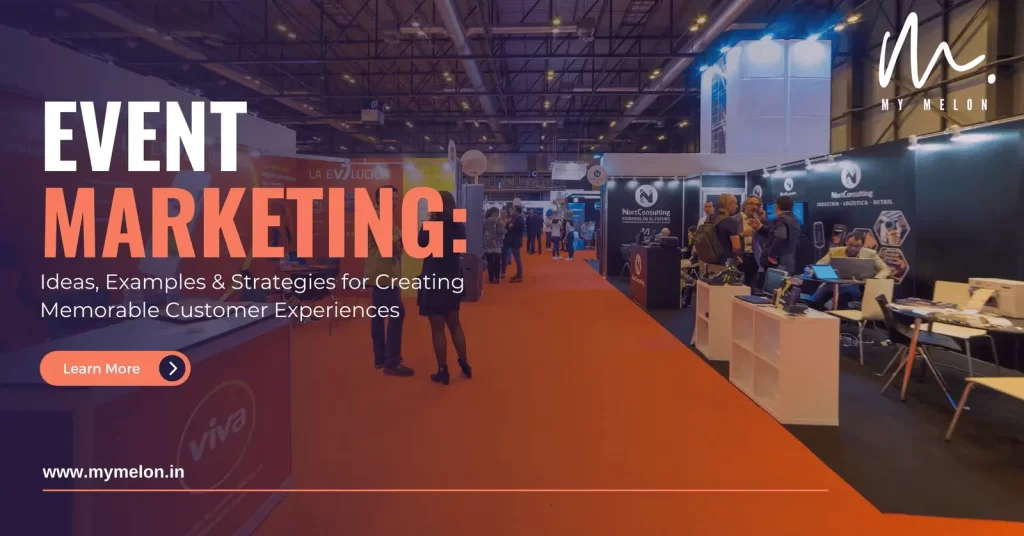
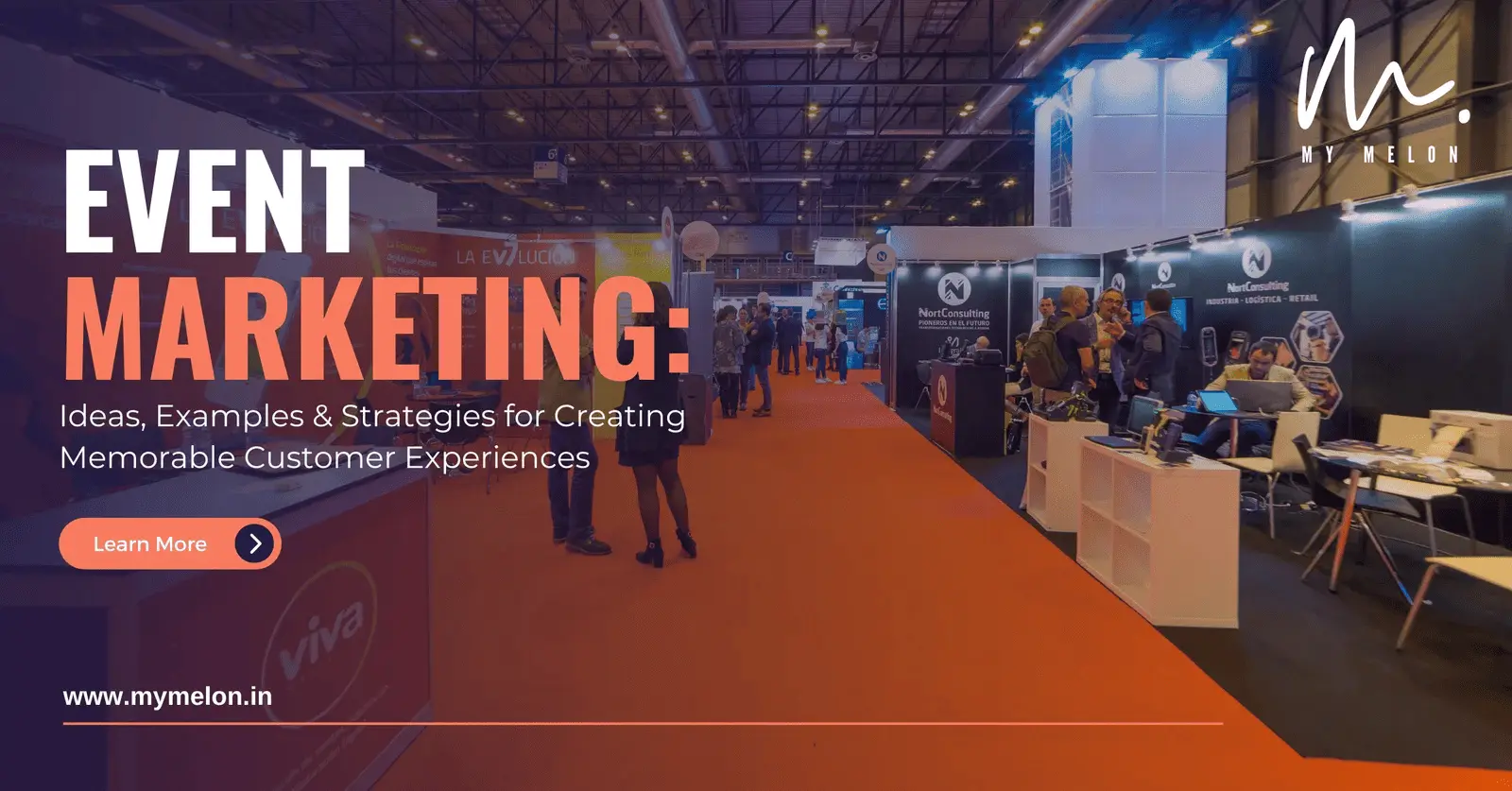
Introduction: Event marketing is a powerful tool that allows brands to connect with their audience on a personal level. Whether it’s a product launch, a trade show, or a community event, creating memorable experiences can significantly boost brand loyalty and engagement. In this blog, we’ll explore the art of event marketing and how you can create unforgettable experiences that resonate with your audience.
The Importance of Event Marketing
Benefits of Live Interactions with Your Audience:
- Personal Connection: Live events allow for face-to-face interactions, fostering a deeper connection with your audience.
- Immediate Feedback: Gain real-time insights into your audience’s reactions and preferences.
- Brand Experience: Events offer a unique opportunity to immerse your audience in your brand’s story and values.
How Events Can Build Brand Loyalty and Awareness:
- Memorable Experiences: Creating positive memories can lead to long-lasting brand loyalty.
- Word-of-Mouth: Satisfied attendees are likely to share their experiences with others, increasing brand visibility.
- Content Creation: Events provide a wealth of content opportunities for social media, blogs, and other marketing channels.
Types of Events to Consider
Different Event Formats:
- Workshops: Hands-on sessions where participants can learn new skills or gain insights related to your industry.
- Example: A photography brand hosting a workshop on advanced shooting techniques.
- Seminars: Informative sessions featuring expert speakers discussing relevant topics.
- Example: A marketing firm organising a seminar on the latest digital marketing trends.
- Pop-up Shops: Temporary retail spaces that create a sense of urgency and exclusivity.
- Example: A fashion brand launching a limited-time collection in a trendy neighbourhood.
Tailoring Events to Your Target Audience:
- Understand Their Interests: Know what topics and activities resonate with your audience.
- Choose the Right Venue: Select a location that is convenient and appealing to your target demographic.
- Offer Value: Ensure your event provides meaningful takeaways, whether it’s knowledge, entertainment, or exclusive products.
Planning a Successful Event
Steps from Ideation to Execution:
- Set Clear Goals: Define what you want to achieve with your event, such as brand awareness, lead generation, or customer appreciation.
- Create a Budget: Plan your expenses carefully, including venue, speakers, marketing, and logistics.
- Develop a Timeline: Outline all the tasks that need to be completed and set deadlines to keep everything on track.
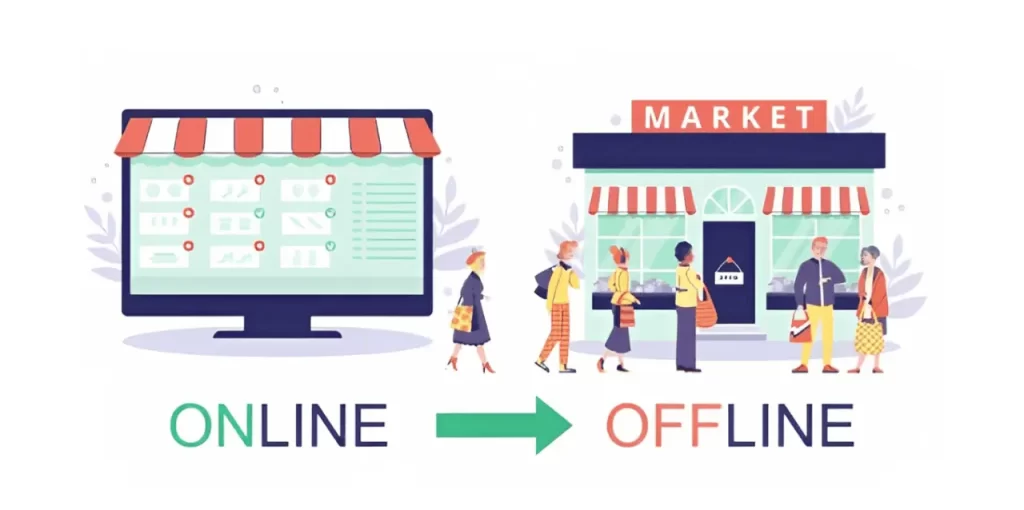
- Market Your Event: Use a mix of online and offline channels to promote your event and attract attendees.
- Engage Attendees: Plan interactive activities, such as Q&A sessions, live polls, or social media contests, to keep your audience engaged.
Tips for Promoting Your Event and Ensuring a High Turnout:
- Leverage Social Media: Create event pages, share regular updates, and use targeted ads to reach your audience.
- Email Marketing: Send personalised invitations and reminders to your mailing list.
- Partner with Influencers: Collaborate with industry influencers to spread the word and attract their followers.
Measuring Event Success
Metrics to Track:
- Attendance: Measure the number of attendees against your initial goals.
- Engagement: Track how actively participants engaged with the event through social media mentions, live interactions, and post-event feedback.
- Lead Generation: Count the number of new leads or sales generated from the event.
Post-Event Follow-Up Strategies:
- Thank You Emails: Send personalised thank you emails to all attendees, including a summary of the event and key takeaways.
- Feedback Surveys: Collect feedback to understand what worked well and what could be improved for future events.
- Content Sharing: Share event highlights, photos, and videos on your website and social media channels to keep the momentum going.
Conclusion: Event marketing is an art that requires careful planning, creativity, and a deep understanding of your audience. By creating unforgettable experiences, you can foster strong emotional connections, build brand loyalty, and drive long-term success. As you plan your next event, keep these tips in mind to ensure it stands out and leaves a lasting impression on your audience.