

Introduction: Nostalgia is a powerful emotion that can connect consumers to brands in meaningful ways. Retro marketing leverages this emotion, tapping into consumers’ fond memories and creating a sense of familiarity and trust. By evoking a sense of the past, brands can create emotional connections that transcend traditional advertising methods. Let’s explore how retro marketing can be a game-changer for your brand.
What is Retro Marketing?
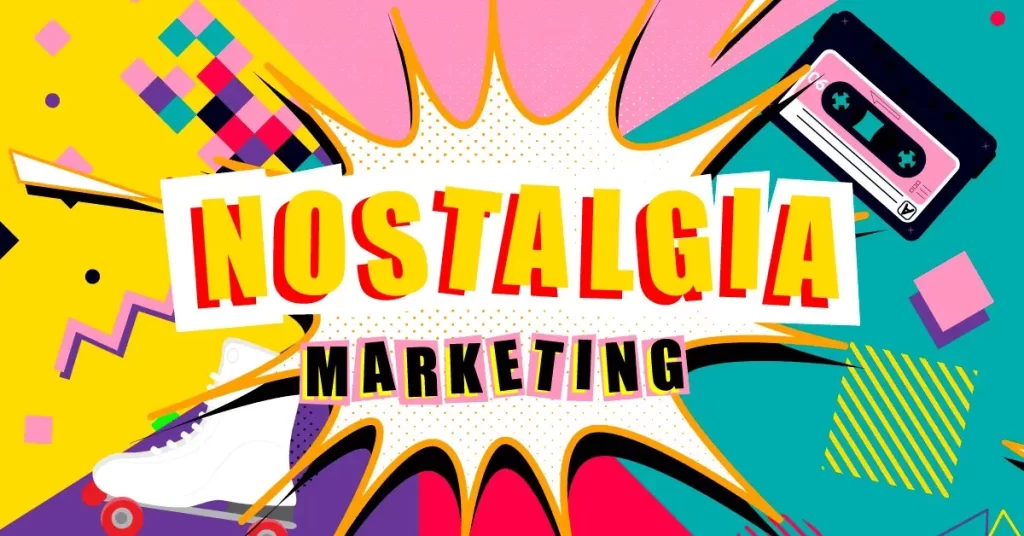
Retro marketing, also known as nostalgia marketing, involves incorporating elements from the past into your advertising and branding efforts. This can include vintage designs, old-fashioned logos, and references to past trends or cultural icons. For example, Coca-Cola’s re-release of its classic glass bottles or Nintendo’s launch of the NES Classic Edition are both prime examples of successful retro marketing campaigns.
The Psychology Behind Nostalgia in Marketing: Nostalgia creates a longing for the past, often linked to personal memories and emotions. It can evoke feelings of comfort, happiness, and security. By tapping into these emotions, brands can create a deep and meaningful connection with their audience. This emotional resonance can lead to increased brand loyalty and customer engagement.
Successful Retro Marketing Campaigns:
Case Studies of Brands That Have Successfully Used Retro Marketing:
- Coca-Cola: Coca-Cola’s “Share a Coke” campaign, which featured names on bottles, also included vintage-style branding that evoked memories of past Coke designs. This blend of personalization and nostalgia significantly boosted sales and social media engagement.
- Nintendo: The release of the NES Classic Edition was a massive hit, appealing to both older gamers who grew up with the original and younger audiences curious about gaming history. The limited edition console sold out quickly, proving the effectiveness of nostalgia in driving demand.
- Pepsi: Pepsi’s “Pepsi Throwback” campaign brought back its old logo and packaging, along with a sugar-sweetened formula. This move not only pleased long-time fans but also attracted new customers intrigued by the retro vibe.
Analysis of Why These Campaigns Worked:
- Emotional Connection: These campaigns created a strong emotional bond by reminding consumers of fond memories and simpler times.
- Authenticity: The brands maintained authenticity by accurately representing their past identities, which resonated with consumers.
- Social Media Amplification: Nostalgic content is highly shareable. Consumers enjoy sharing memories, which helps these campaigns gain traction on social media.
How to Implement Retro Marketing:
Steps to Integrate Retro Elements into Your Marketing Strategy:
- Research Your Audience: Understand what era or cultural icons resonate most with your target audience.
- Choose the Right Elements: Select design elements, slogans, and themes from that era that align with your brand’s identity.
- Update and Modernise: While keeping the nostalgic elements, ensure your campaign feels fresh and relevant to today’s audience.
- Test and Refine: Conduct focus groups or surveys to gauge your audience’s reaction to your retro concepts.
Tips for Ensuring Authenticity and Avoiding Clichés:
- Stay True to Your Brand: Ensure the retro elements fit naturally with your brand’s story and values.
- Avoid Overuse: Subtlety is key. Don’t overwhelm your audience with too many retro elements.
- Be Respectful: Nostalgia can be sensitive. Avoid using elements that might evoke negative memories or offend certain groups.
Measuring the Impact:
Key Performance Indicators for Retro Marketing Campaigns:
- Engagement Rates: Monitor likes, shares, and comments on social media posts related to your retro campaign.
- Sales Metrics: Track any changes in sales figures during and after the campaign.
- Brand Sentiment: Use social listening tools to gauge the overall sentiment and feedback from your audience.
Tools and Methods for Tracking Success:
- Google Analytics: Track website traffic and user behaviour to see if your campaign drives more visitors.
- Social Media Analytics: Platforms like Facebook and Instagram offer insights into engagement metrics.
- Customer Surveys: Gather direct feedback from your customers to understand their perceptions and feelings about the campaign.
Conclusion: Retro marketing has the potential to create strong emotional connections with your audience, driving engagement and loyalty. By thoughtfully integrating nostalgic elements into your strategy, you can tap into fond memories and create a sense of familiarity and trust. As you plan your next campaign, consider how you can leverage the power of nostalgia to boost your brand and resonate with your audience.