
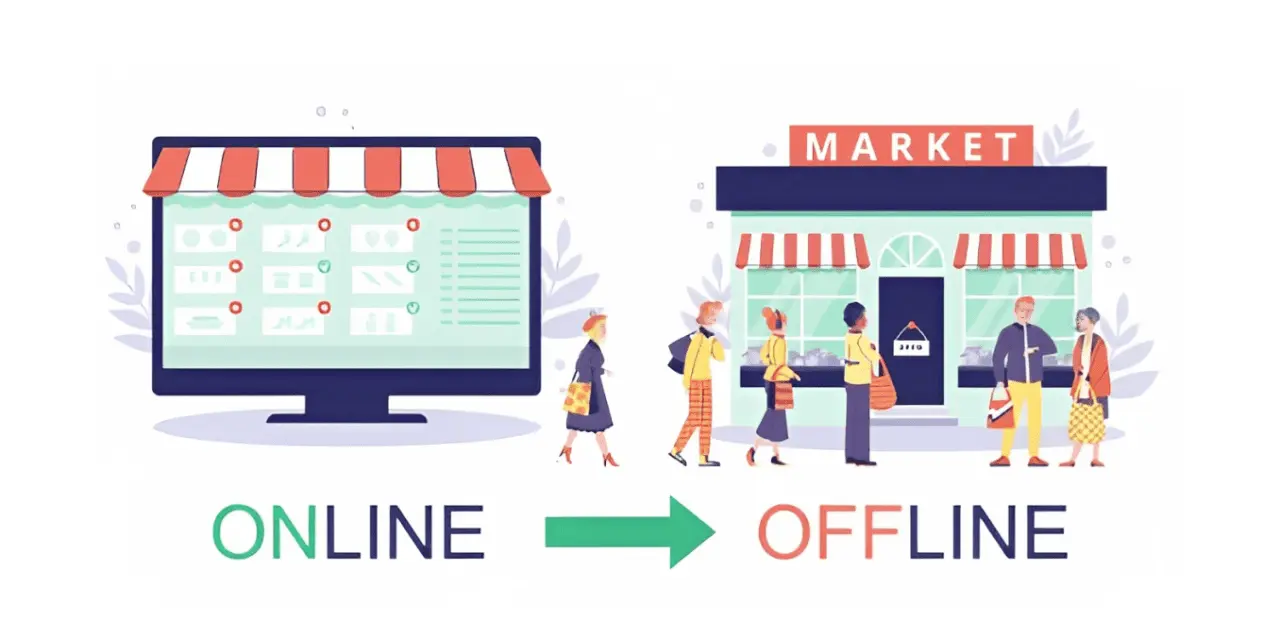
Introduction: In an age where digital marketing often takes the spotlight, creative offline marketing remains a powerful and impactful strategy. By blending art and advertising, brands can capture attention, spark conversations, and create memorable experiences that resonate with audiences. This blog explores the dynamic world of creative offline marketing and how integrating artistic elements can elevate your brand.
The Rise of Artistic Advertising
Examples of How Art Has Been Used in Marketing:
- Street Art and Murals: Brands like Nike and Coca-Cola have commissioned street artists to create vibrant murals that not only advertise their products but also enhance the urban landscape.
- Interactive Installations: Samsung’s interactive billboards and installations engage passersby by allowing them to interact with the advertisement through touch or motion sensors.
- Pop-Up Galleries: Brands like Absolut Vodka have created pop-up art galleries featuring works inspired by their products, blending cultural enrichment with brand promotion.
The Benefits of Incorporating Art into Your Marketing Strategy:
- Visual Appeal: Artistic advertisements are visually striking and can capture attention more effectively than traditional ads.
- Emotional Connection: Art evokes emotions, helping to forge a deeper connection between the brand and the audience.
- Shareability: Unique and artistic ads are more likely to be shared on social media, increasing organic reach and engagement.
Innovative Offline Marketing Ideas
Street Art and Graffiti:
- Concept: Use graffiti and street art to create eye-catching murals that convey your brand message in a bold, creative way.
- Example: Adidas collaborated with local street artists in major cities to create murals that celebrated urban culture and sports.
Interactive Installations:
- Concept: Develop installations that invite interaction, making the audience part of the advertisement.
- Example: McDonald’s created a giant interactive Monopoly board game in a public square, where passersby could play and win prizes.
Public Performances:
- Concept: Organise flash mobs, live performances, or unexpected public events that draw crowds and media attention.
- Example: T-Mobile’s “Life’s for Sharing” campaign featured a flash mob dance at Liverpool Street Station, which was filmed and shared widely online.
Collaborating with Artists
How to Find and Collaborate with Local Artists:
- Research and Network: Attend local art events, visit galleries, and connect with artists on social media platforms like Instagram and LinkedIn.
- Partnerships: Reach out to artists whose style aligns with your brand’s image and discuss potential collaboration ideas.
- Community Engagement: Engage with the local art community by sponsoring events or supporting art initiatives, building goodwill and finding potential collaborators.
Ensuring the Art Aligns with Your Brand Message:
- Consistency: Ensure the artistic style and message are consistent with your brand identity and values.
- Clear Brief: Provide artists with a clear brief outlining your objectives, target audience, and key messages.
- Creative Freedom: Allow artists the creative freedom to interpret your brand message in their unique style, ensuring authenticity and originality.
Case Studies
Brands That Have Successfully Used Artistic Marketing:
- Red Bull: Known for its high-energy events, Red Bull has sponsored street art festivals and extreme sports installations that align with its adventurous brand image.
- Apple: Apple’s “Shot on iPhone” campaign featured billboards displaying stunning photographs taken by iPhone users, blending user-generated art with advertising.
- Absolut Vodka: Absolut’s long-running collaboration with artists, including Andy Warhol, has made its bottle designs iconic and highly collectible.
Analysis of What Made These Campaigns Successful:
- Brand Alignment: Each campaign perfectly aligned with the brand’s identity and values, making the artistic elements feel natural and authentic.
- Public Engagement: By creating visually appealing and interactive experiences, these campaigns engaged the public and encouraged social sharing.
- Innovation: The use of unique and unexpected artistic elements helped these brands stand out in a crowded marketplace.
Conclusion: Blending art and advertising in offline marketing offers a unique way to capture attention, create emotional connections, and stand out from the competition. By incorporating artistic elements into your marketing strategy, you can create memorable experiences that resonate with your audience and drive brand loyalty. As you plan your next campaign, consider how you can harness the power of art to elevate your brand and leave a lasting impression.