
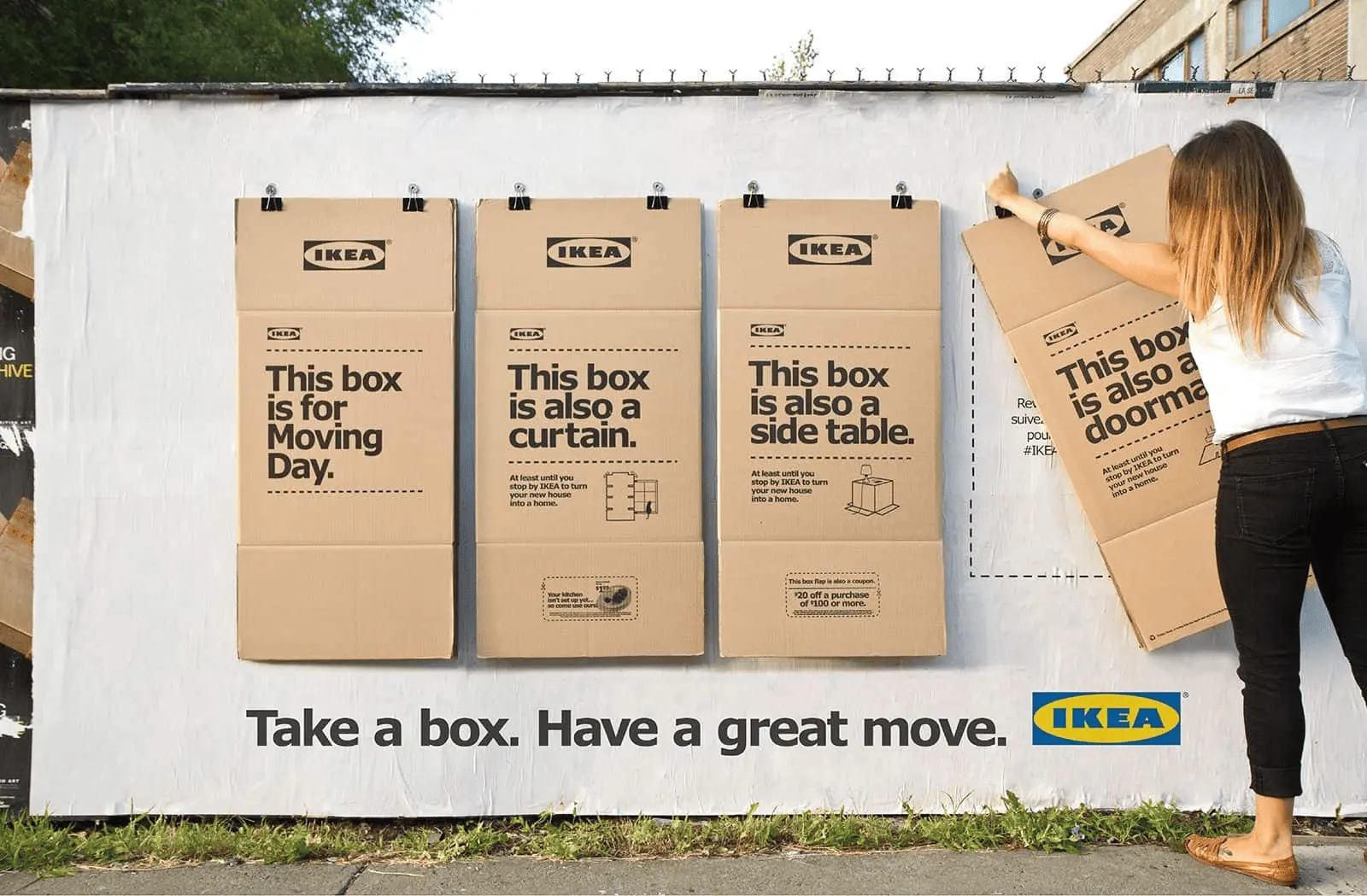
Introduction: In a world dominated by big-budget advertising, guerrilla marketing stands out as a refreshing, cost-effective alternative. This unconventional approach leverages creativity, surprise, and imagination to leave a lasting impression on your audience without breaking the bank. Let’s dive into the world of guerrilla marketing and explore how you can make a significant impact with a small budget.
Understanding Guerrilla Marketing
Definition and Origins: Guerrilla marketing is a strategy that focuses on low-cost, high-impact tactics to promote a product or service. The term was coined by Jay Conrad Levinson in his 1984 book, “Guerrilla Marketing,” inspired by guerrilla warfare tactics that rely on surprise and unconventional methods. This marketing approach aims to create buzz and engage consumers in unexpected ways.
The Key Principles Behind Successful Guerrilla Campaigns:
- Creativity: Think outside the box and use your imagination to come up with unique ideas.
- Surprise: Capture attention by doing something unexpected.
- Engagement: Involve your audience and encourage interaction.
- Cost-Efficiency: Maximise impact with minimal expenditure.
Types of Guerrilla Marketing
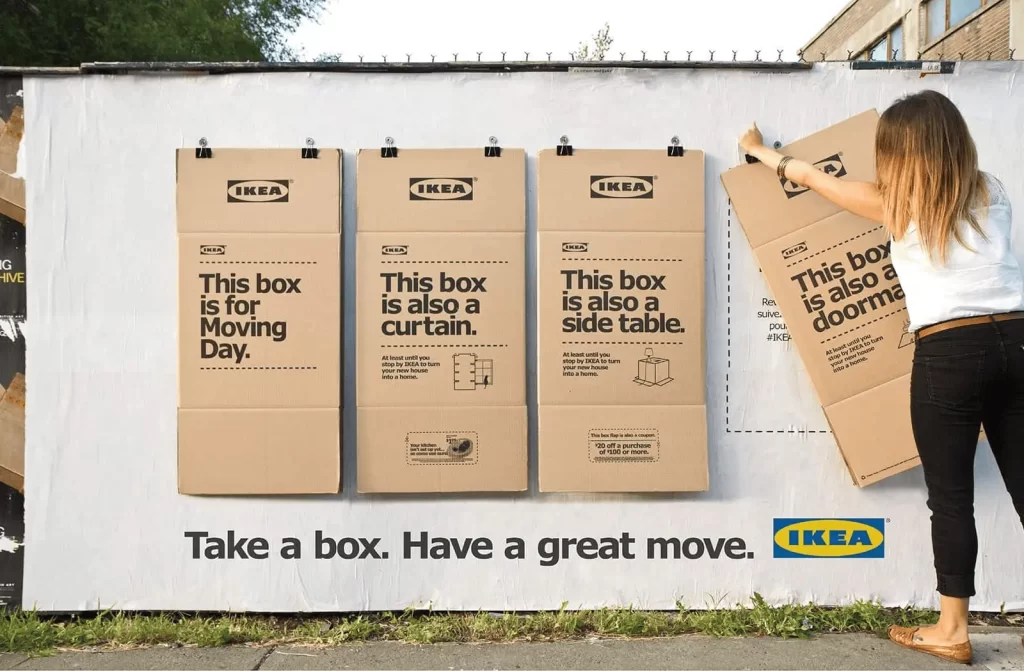
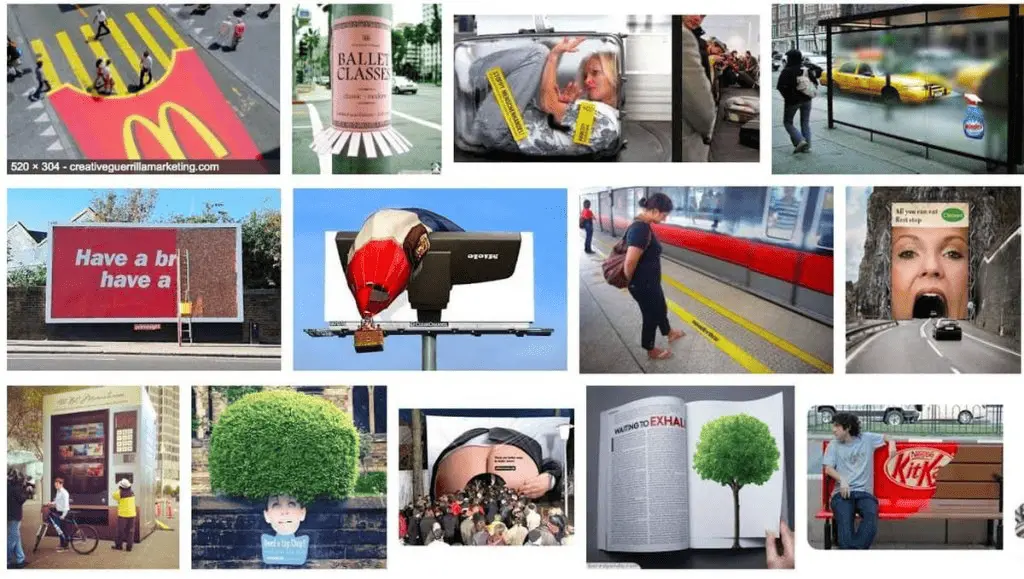
Ambient Marketing:
- Definition: Ambient marketing involves placing ads in unusual locations where people wouldn’t normally expect to see them.
- Examples: Ads on elevator doors, public restroom mirrors, or even the bottoms of poolside umbrellas.
Ambush Marketing:
- Definition: Ambush marketing is when a brand capitalizes on an event or a situation without being an official sponsor.
- Examples: Nike’s marketing during the Olympics, even when Adidas was the official sponsor.
Viral Marketing:
- Definition: Viral marketing relies on creating content that people will share widely on social media, spreading the message organically.
- Examples: The ALS Ice Bucket Challenge, which raised awareness and funds for ALS research.
Planning a Guerrilla Marketing Campaign
Steps to Develop a Creative and Effective Campaign:
- Identify Your Goal: Define what you want to achieve with your campaign, whether it’s increasing brand awareness, driving sales, or promoting a new product.
- Know Your Audience: Understand who your target audience is and what resonates with them.
- Brainstorm Ideas: Gather a team to brainstorm unconventional ideas that align with your brand and goals.
- Plan Execution: Outline the logistics of your campaign, including location, timing, and necessary permissions.
- Prepare for Reactions: Anticipate how your audience might react and be ready to engage with them.
Tips for Maximising Reach and Engagement:
- Leverage Social Media: Encourage participants to share their experiences on social media using a specific hashtag.
- Collaborate with Influencers: Partner with influencers who can help spread your message to a wider audience.
- Be Bold and Memorable: Make sure your campaign is striking enough to be talked about long after it’s over.
Legal and Ethical Considerations
Ensuring Your Campaign is Compliant with Local Laws:
- Permissions: Obtain necessary permits and permissions for public spaces.
- Respect Privacy: Avoid invasive tactics that might infringe on people’s privacy.
Ethical Guidelines to Follow:
- Respect Public Spaces: Don’t damage property or create a public nuisance.
- Honesty: Be truthful in your messaging and avoid misleading your audience.
Measuring the Impact
Metrics to Track:
- Engagement Rates: Monitor social media shares, likes, comments, and overall engagement.
- Brand Awareness: Use surveys or brand lift studies to measure changes in brand perception.
- Sales Data: Track any changes in sales figures during and after the campaign.
Tools and Methods for Tracking Success:
- Social Media Analytics: Use platforms like Facebook Insights and Twitter Analytics to track engagement.
- Google Analytics: Monitor website traffic and user behaviour to see if your campaign drives more visitors.
- Customer Feedback: Collect direct feedback through surveys or focus groups to gauge reactions.
Conclusion: Guerrilla marketing offers a unique and cost-effective way to make a big impact with your brand. By harnessing creativity, surprise, and engagement, you can capture attention and create buzz without spending a fortune. As you plan your next marketing campaign, consider how guerrilla tactics can help you stand out in a crowded market and leave a lasting impression on your audience.